 Japan Rail Pass NowAustralia's No.1 Choice
1300 635 500Mon-Fri, AEST
Buy Now
Japan Rail Pass NowAustralia's No.1 Choice
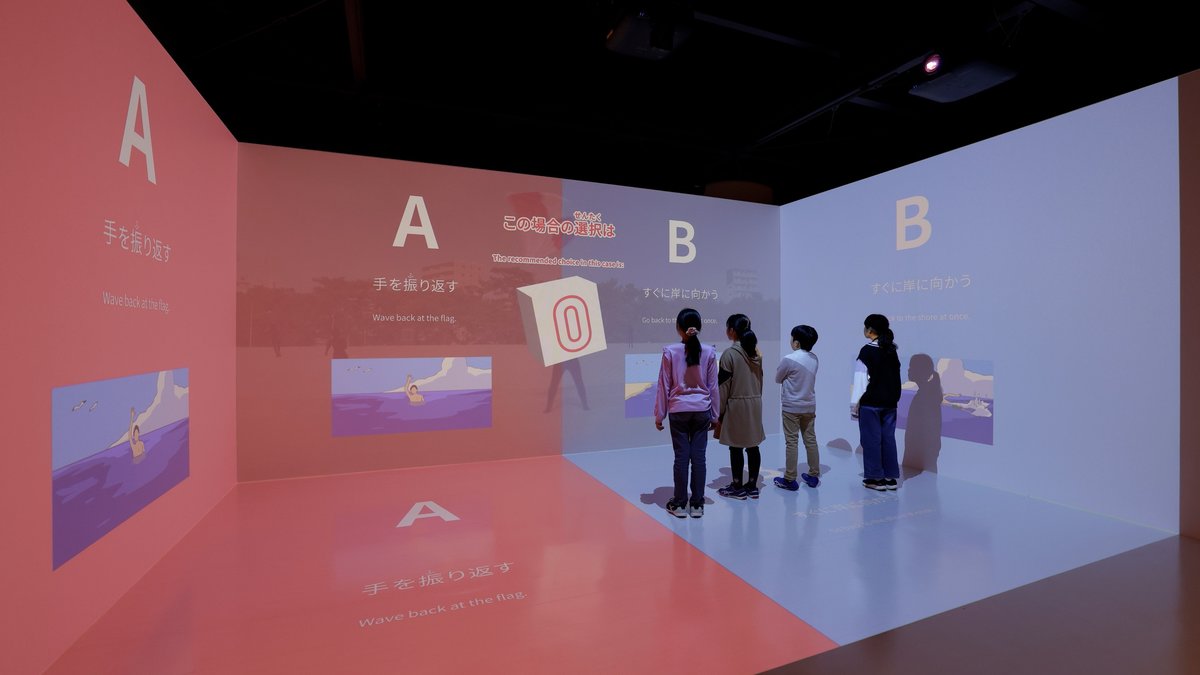
At 5.46am on 17 January 1995, the Great Hanshin-Awaji Earthquake tore through Kobe and its region, killing more than six thousand people and levelling whole districts in seconds. The memorial museum in Kobe’s eastern waterfront exists so that what the city learned at such cost is never wasted, and it is one of the most affecting museum experiences in Japan.
The visit opens with a large screen recreation of the quake itself, sobering rather than sensational, followed by a walk through the ruined streetscapes of the immediate aftermath. Survivor testimonies, salvaged objects and documentary galleries then trace the long recovery, while upper floors turn to the science of disaster preparedness with interactive exhibits that children engage with readily. English audio guides and volunteer interpreters, some of them survivors, deepen the experience immeasurably.
Kobe today shows barely a scar, which is precisely the point; the museum supplies the memory the rebuilt city cannot. For travellers in earthquake country it doubles as the best practical briefing on what seismic risk means and how Japan manages it. Allow around two hours and expect to be moved.
The museum stands in the HAT Kobe district, about ten minutes on foot south from JR Nada Station, one stop east of Sannomiya, or 15 minutes from Hanshin Iwaya Station. City Loop buses from central Kobe also serve the area.
Is it suitable for children? Yes, with guidance; the opening film is intense, and staff can advise on gentler routes.
Is English support available? Yes, through audio guides, translated panels and volunteer interpreters.
We may earn a commission when you book through links on this page, at no extra cost to you. Details and inclusions can change, so always check the booking page for the latest.

Ensure you get the most out of your trip to the land of the rising sun with our comprehensive 249-page Japan Travel Guide.