



Travel Insurance
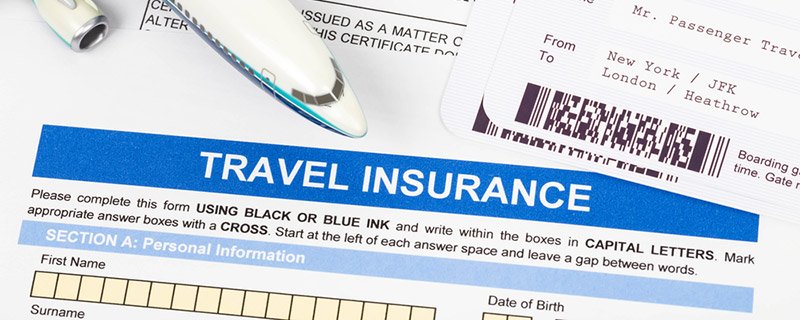
 Why You Should Purchase Travel Insurance
Travelling involves various risks that may considerably leave you out of pocket. Many things can and do go wrong whilst on holidays including cases like flight cancellations, lost baggage, emergencies, weather events and so on. There are many factors which can inconvenience your trip so we suggest to always get travel insurance.
So, to minimise the impact of any finance inconvenience, it is advised to do your home work and purchase travel insurance.
 Cancellations
Did something just come up and you have to pull out of that trip you have been looking forward to for months? With travel insurance, you do not have to worry about not getting a single cent back from the cost of cancelling your plane tickets, hotel bookings, and other reservations.
Usually, travel insurance policies cover cancellations due to death or sickness of a family member, a member of your travelling party, or yourself. Other acceptable reasons are inclement weather, strikes, car accidents, and the airline or tour company going out of business. We advise you to read through the policy terms and conditions to make sure that your cover is suitable to your needs.
 Lost or stolen luggage
If you check-in baggage gets delayed, damaged, or even lost, you may ask for reimbursement for certain items if you have travel insurance.
Just make sure to read the insurance’s terms of agreement as some common electronics, gadgets, and personal effects may be capped with more stringent reimbursement regulations.
 Weather and natural disasters
Different travel insurance policies have different rules regarding bad weather and natural disasters affecting your trip.
A good policy should cover the following:
- any missed or delayed flight to your destination
- complete cancellation of your flight, cruise, or tour
- your trip needing to be cut short
due to typhoon, hurricanes, volcanic eruptions, earthquakes, snow storms, tsunami, and others.
 Medical emergencies
There have been numerous cases of travellers suffering from food poisoning, sprained ankles, and other medical accidents acquired while on their trip, and a lot of them ended up with sky-high hospital bills because they failed to purchase travel insurance prior to their trips.
With a travel insurance policy that has good medical coverage, you can avail of treatment and care in a medical facility without hassle or leaving your credit cards and wallets empty.
 Emergency evacuation
In case you need to be airlifted for medical reasons or taken to a safe area due to danger or disaster, travel insurance can cover the costs of these and ensure that your safety is top priority.