 Japan Rail Pass NowAustralia's No.1 Choice
1300 635 500Mon-Fri, AEST
Buy Now
Japan Rail Pass NowAustralia's No.1 Choice
Hiroshima is two things at once, and handling that well is what makes a visit here worthwhile. It is the site of the first atomic bombing, and the city has built its modern identity around remembering it and arguing against repetition. It is also a lively, green, unpretentious place on a river delta, with a fierce baseball team, the best okonomiyaki in Japan by local reckoning, and one of the country’s most photographed views a short ferry ride away.
Most visitors come for a day and leave having only seen the memorial. Two days lets you do the city justice and give Miyajima the time it deserves.
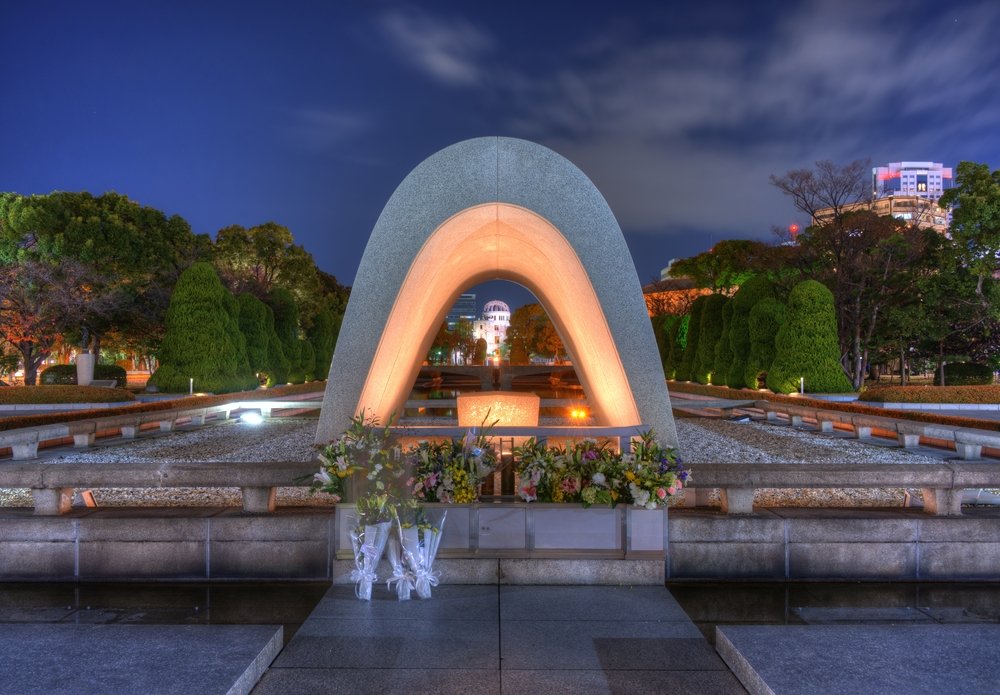
The park occupies the delta island that was the commercial heart of the old city and the area directly beneath the detonation. It is free, open at all hours, and takes at least half a day to absorb properly.
The Atomic Bomb Dome was the Prefectural Industrial Promotion Hall. It stood almost directly under the blast, which is why parts of it survived when the pressure wave travelled downward rather than sideways. It has been stabilised but deliberately not restored.
The Peace Memorial Museum costs a few hundred yen and is the part people find hardest. It is not sensational, it is factual and quiet, and it is built largely around personal objects and testimony. Allow two hours and expect to need a walk afterwards.
The Children’s Peace Monument commemorates Sadako Sasaki and is surrounded by glass cases of paper cranes sent from schools around the world. The cenotaph is aligned so that it frames the dome and the flame between them.
On 6 August each year the Peace Memorial Ceremony is held here, and the city fills. If you are visiting around that date, book well ahead.
The island officially called Itsukushima sits about forty minutes from central Hiroshima by tram and ferry, or a little quicker by train and ferry. It is counted among the three classic views of Japan.
The floating torii gate of Itsukushima Shrine is the reason most people come. It appears to rise out of the sea at high tide and stands on exposed sand flats at low tide, when you can walk out to it. Neither version is better, but they are completely different photographs, so check the tide table before you go rather than after. That single piece of planning is the difference between the trip you imagined and the one you got.

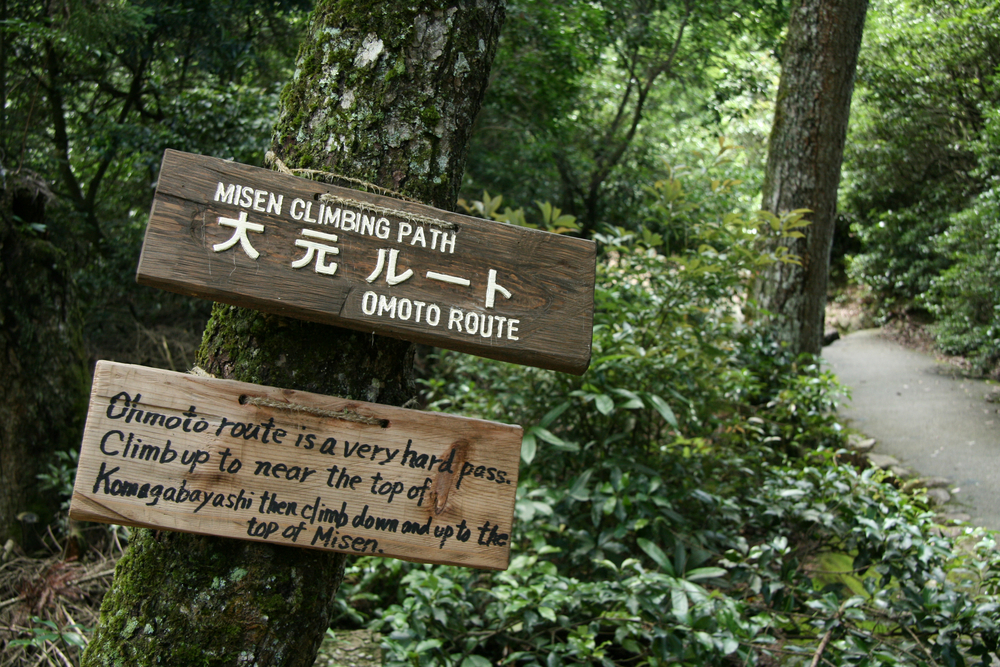
Mount Misen rises 535 metres behind the shrine. A ropeway takes you most of the way and a stiff walk covers the rest, with views across the Inland Sea from the top. Wild deer roam the lower island and are notably bolder than the Nara ones about paper and food.
The approach street is lined with stalls selling momiji manju, maple leaf shaped cakes, and grilled oysters, which the island is known for. Most day trippers leave by late afternoon, and the island in the hour after that is a different and much better place. Staying overnight is worth considering.
A note on the visitor tax. A visitation tax of ¥100 per person is payable when you board the ferry to Miyajima, separate from the fare itself.
Hiroshima Castle is a faithful reconstruction, the original having been destroyed in 1945. The keep houses a museum on the city before the war, which is useful context that the Peace Park does not really provide.

Shukkeien is a compact and beautifully composed garden dating from 1620, laid out to miniaturise landscapes around a central pond. It was destroyed in the bombing and replanted, and the survivor trees are marked.
Hondori is the covered shopping arcade running through the centre, and the surrounding streets are where the city’s ordinary life happens. Hiroshima is a tram city, and the network is a pleasure to use, including some very old carriages still in service.
Hiroshima okonomiyaki is layered, not mixed. Batter goes down first as a thin crepe, then a mountain of cabbage, then pork, then a nest of fried noodles, then egg, then sauce. The Osaka version mixes everything into a batter before cooking, and each city considers the other’s approach a mistake.
Okonomimura is a building near Hondori with around 25 stalls across three floors, each a counter with a griddle. Pick one with a free seat and sit at the counter rather than a table, because eating it straight off the hot plate is the point.
The city is also known for oysters, farmed in the Inland Sea and at their best from late autumn through winter.
Most visitors base themselves around Hiroshima Station or in the Hondori and Kamiyacho area in the centre. The station side is convenient if you are arriving and leaving by Shinkansen and want an early start for Miyajima. The centre puts you within walking distance of the Peace Park, the shopping arcade and most of the okonomiyaki, and is the better choice for a two night stay.
Staying on Miyajima itself is the option most people do not consider and often regret missing. The island empties in the late afternoon when the day trippers catch the ferry back, and the ryokan there give you the shrine, the deer and the shoreline more or less to yourself at dusk and again at dawn. It costs more than the mainland and it is worth it if your schedule allows one night.
Mazda Museum runs free guided tours of the assembly plant, booked ahead online and popular with anyone who likes seeing things made. Hiroshima is a company town in the way Nagoya is, and the tour explains a lot about how the city rebuilt itself economically after 1945.
The Hiroshima Carp are the local baseball team and one of the most passionately supported clubs in Japan. A game at the Mazda Zoom-Zoom Stadium between April and October is among the better ways to spend an evening here, and tickets are far easier to get than in Tokyo or Osaka.
Orizuru Tower, next to the Atomic Bomb Dome, has an open rooftop with a view straight down over the park, and a ramp where you can fold a paper crane and drop it into a glass wall that is slowly filling with them. It is a gentler counterpoint to the museum.
Further out, the Sandankyo Gorge is a river valley with waterfalls and a walking trail, around 90 minutes north and virtually unvisited by foreign travellers. Tomonoura, a preserved fishing port on the Inland Sea about two hours east, was the inspiration for the setting of Ponyo and has a slow, lived in feel that the coach tours have not reached.
The tram network is the thing to understand. Hiroshima kept its trams when most Japanese cities tore theirs out, and the fleet includes carriages that survived the bombing and are still in service. Fares are flat within the city, you board at the rear and pay at the front on the way out, and an IC card works throughout.
For Miyajima you have two routes. The tram is slower, around 70 minutes, but runs from the city centre directly to the ferry pier. The JR Sanyo line is faster at about 25 minutes from Hiroshima Station to Miyajimaguchi. Two ferry companies run the crossing and both take about ten minutes.
Bicycles are widely available and the city is flat, which makes cycling between the Peace Park, the castle and Shukkeien straightforward.
Two days is the sweet spot. Give the first to the Peace Park, museum and city, and the second to Miyajima. That pacing lets you take the museum slowly rather than rushing it, and gives you Miyajima in the late afternoon once the crowds thin.
One day is possible and very common, usually as a stop between Kyoto and Kyushu, but it means choosing between the memorial and the island. If that is your situation, most people find the Peace Park the more necessary of the two.
Hiroshima runs on trams, and they reach everything you are likely to want including the Peace Park and the Miyajima ferry terminal at Miyajimaguchi. Flat fares, easy to use, and an IC card works.
The Shinkansen stops at Hiroshima Station, north east of the centre, and a tram or a short bus brings you in. For Miyajima, take the tram or the JR Sanyo line to Miyajimaguchi, then the ferry across.
Two days is ideal, one for the Peace Park and city and one for Miyajima. One day forces a choice between them.
It is factual rather than graphic, but parts are confronting and deal directly with civilian deaths. Parents generally know their own child’s threshold. The park and the Children’s Peace Monument are gentler.
Both are worth seeing and they are quite different. High tide gives the classic floating gate, low tide lets you walk out to the base. Check the tide table and choose deliberately.
A layered savoury pancake with cabbage, pork, fried noodles and egg, built up on the griddle rather than mixed into a batter as it is in Osaka.
From Osaka or Kyoto it is a common day trip by Shinkansen, but a long one. You will manage the Peace Park or Miyajima, not both.
Yes, a ¥100 visitor tax is charged when boarding the ferry, in addition to the ferry fare.

Ensure you get the most out of your trip to the land of the rising sun with our comprehensive 249-page Japan Travel Guide.