



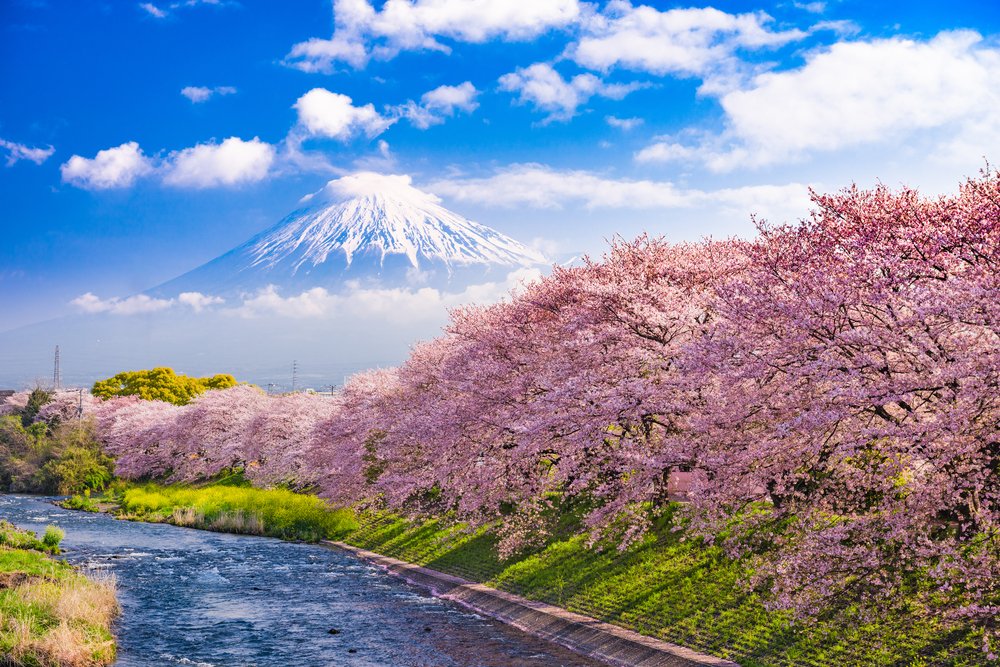
How To Travel From Tokyo To Mount Fuji
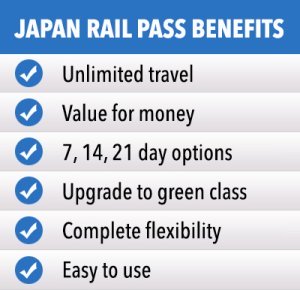
With your Japan Rail Pass
- Travel time: About 2 hours
2019 UPDATE: As of March 19, 2019 you can now catch The Limited Express FUJI EXCURSION from Shinjuku station directly to Kawaguchiko Station. This route is mostly covered by the Japan Rail Pass and covers from Shinjuku – Otsuki without needing an additional ticket. You will require a ticket for the last part of the journey for ‘Otsuki – Mount Fuji / Otsuki – Fujikyu Highland / Otsuki to Kawaguchiko’ parts of the journey:
OLD WAY: The Japan Rail Pass is valid only on a portion of the travel from Tokyo to Mount Fuji. Cost: 1,140 yen for the train from Otsuki Station to Kawaguchiko Station
At Shinjuku Station, take the JR Chuo Line to Otsuki Station. This leg takes around 1 hour, and is covered by your JR Pass. At Otsuki Station, you must transfer to the Fujikyu Railway Line to reach Kawaguchiko Station. This 55-minute train ride is not covered by your JR Pass, unfortunately, so you have to shell out an extra 1,140 yen for a one-way ticket.
Day Tour
Another simple way to get to Mount Fuji is by getting a day tour from Tokyo.
Local train
- Travel time: 2 to 3 hours
- Cost: About 3,500 yen
Travelling between Tokyo and Mount Fuji by local trains takes about 2 to 3 hours, and includes at least one transfer.
At Shinjuku Station, you can catch the JR Chuo limited express train and arrive to Kawaguchiko Station in about an hour. A one-way ticket costs 2,250 yen (unreserved seat), 2,970 yen (reserved seat), or free for JR Pass holders.
Then, at Kawaguchiko Station, you need to transfer to the Fujikyu Railway Line bound for Kawaguchiko Station. A one-way ticket for this leg costs 1,140 yen, and is not covered by your JR Pass.
Highway bus
- Travel time: At least 2 hours
- Cost: Around 1,800 yen
There are several bus companies that serve the Tokyo-Mount Fuji route. You can catch them at Tokyo Station, Shibuya Station, or Shinjuku Station.
At Tokyo Station, JR Kanto and Fujikyu buses depart for Kawaguchiko Station once or twice in an hour. They take around 2 hours, and cost 1,800 yen.
At Shibuya Station, Fujikyu offers one direct bus service to Kawaguchiko and the Fuji Five Lakes area every couple of hours. The one-way trip is about 2 hours to 2 hours and 30 minutes long, and costs 1,800 yen.
And, at Shinjuku Station, Keio Bus and Fujikyu run hourly buses bound for Kawaguchiko and the Fuji Five Lakes. The one-way ride takes less than 2 hours, and cost 1,750 yen.
Reservations, timetables, and other information are available on Japan Bus Online.
Bus from Narita Airport or Haneda Airport
- Travel time: 3 to 4 hours
- Cost: From around 2,500 yen
For those coming from Narita Airport or Haneda Airport in Tokyo, there are multiple direct buses departing from either airport for the Mount Fuji area.
From Narita Airport, the one-way trip takes about 3 hours and 40 minutes, and costs between 3,300 yen and 5,500 yen. From Haneda Airport, it takes under 3 hours, and costs 2,470 yen.
The Narita Airport and Haneda Airport websites provide more information on access to Mount Fuji.