 Japan Rail Pass NowAustralia's No.1 Choice
1300 635 500Mon-Fri, AEST
Buy Now
Japan Rail Pass NowAustralia's No.1 Choice
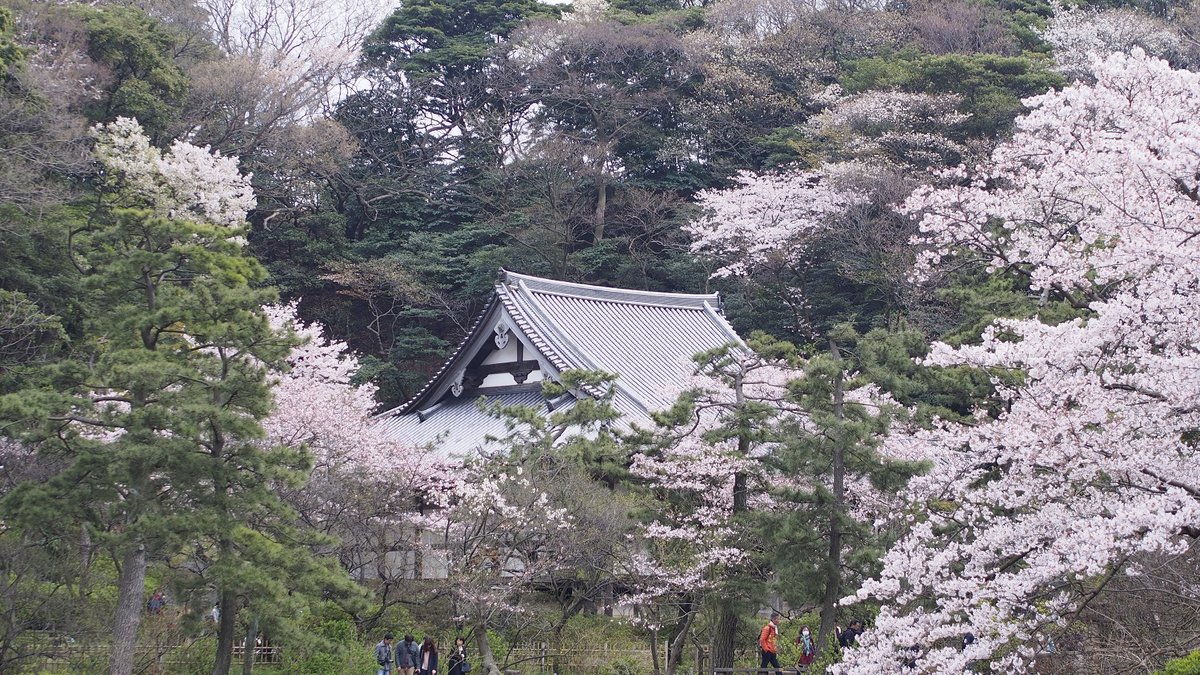
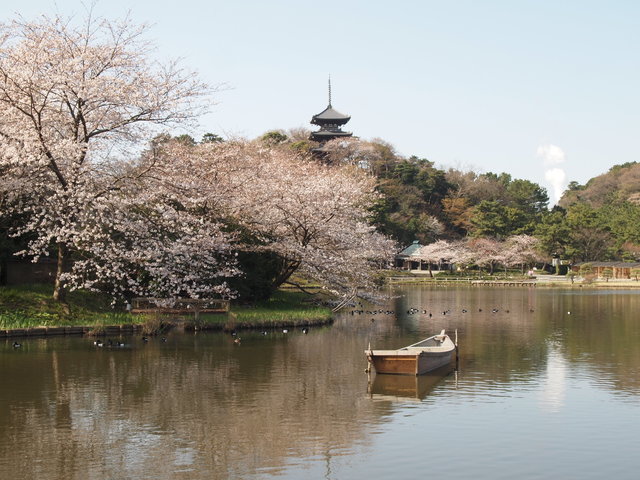
Sankeien is Yokohama’s great garden, laid out at the turn of the twentieth century by silk merchant Hara Sankei, who spent his fortune rescuing historic buildings from across Japan and rebuilding them among his ponds and hills. The result is unique: a classical strolling garden inhabited by genuine centuries old architecture, including a three storey pagoda from Kyoto standing on the ridgeline like a signature.
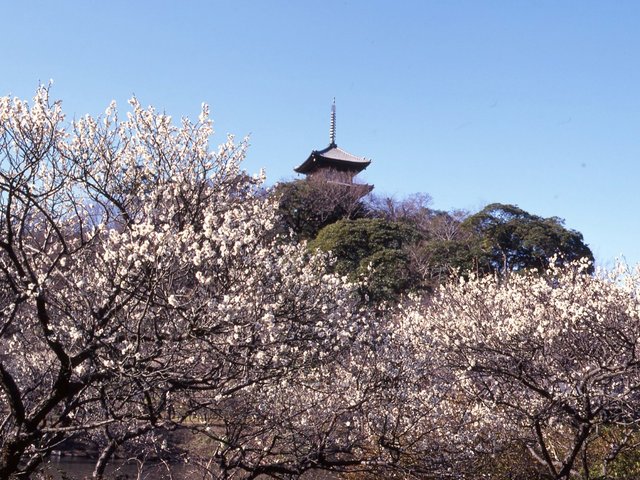
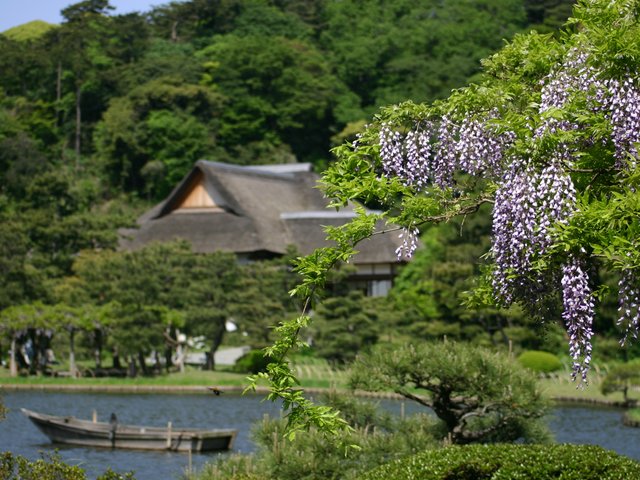
Seventeen historic structures dot the grounds, among them teahouses, a feudal lord’s residence and farmhouses in the gassho style, several designated Important Cultural Properties. Hara opened his private garden to the public in 1906, an act of civic generosity Yokohama has never forgotten. Seasonal displays follow the classical calendar, from plum and cherry through irises and lotus to some of the Kanto region’s best autumn maples around the inner garden.
Allow a good 90 minutes to walk both the outer and inner gardens, and climb to the pagoda for views over the pond toward the industrial bayfront, a very Yokohama contrast. The teahouses serve matcha, and early mornings are blissfully quiet. Combined with Yokohama’s Chinatown or the Minato Mirai waterfront, it makes a rounded day.
Sankeien sits south of central Yokohama. From Yokohama or Sakuragicho stations, city buses toward Honmoku reach the Sankeien-iriguchi stop in 25 to 35 minutes, with a ten minute walk from there. From JR Negishi Station on the Keihin-Tohoku Line, buses cover the shorter final leg.
When is the best season? Late November for maples and late March for cherries are the classic answers, but every season is composed.
Can you enter the buildings? Some open seasonally; most are admired from their gardens.
We may earn a commission when you book through links on this page, at no extra cost to you. Details and inclusions can change, so always check the booking page for the latest.

Ensure you get the most out of your trip to the land of the rising sun with our comprehensive 249-page Japan Travel Guide.