 Japan Rail Pass NowAustralia's No.1 Choice
1300 635 500Mon-Fri, AEST
Buy Now
Japan Rail Pass NowAustralia's No.1 Choice
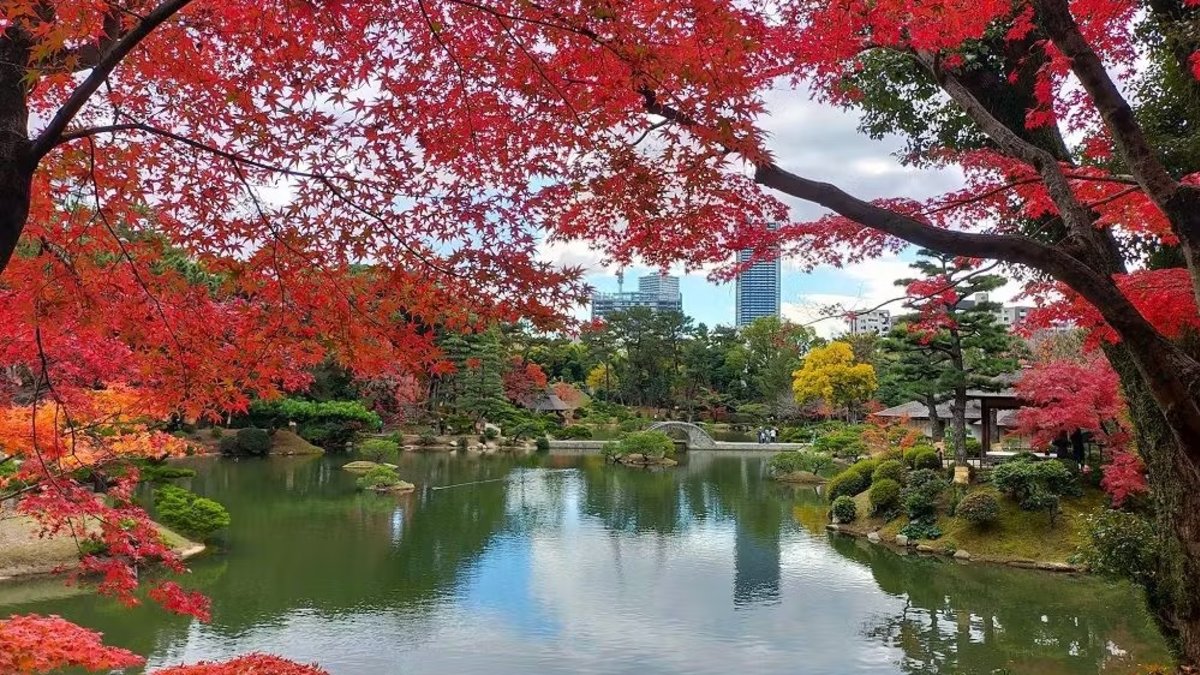
Shukkeien means shrunken scenery garden, and that is precisely what this four century old landscape does: mountains, valleys, bridges and a miniature sea gathered around a central pond, all within a short walk of Hiroshima Station. Laid out in 1620 for the Asano lords by tea master Ueda Soko, it remains the classic strolling garden of the region and an essential quiet hour in any Hiroshima itinerary.
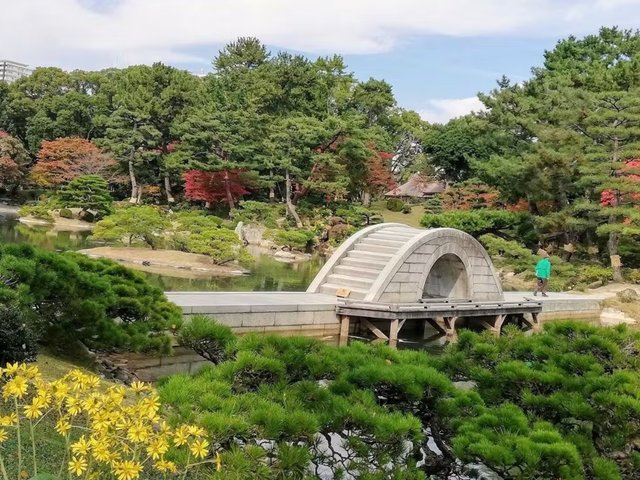
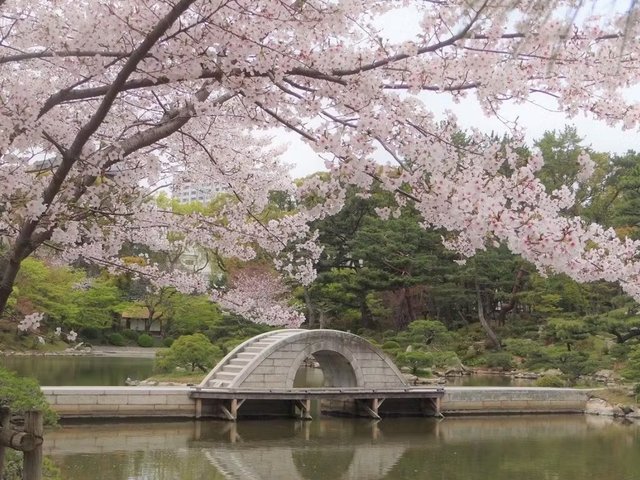
A path loops the pond past tea houses, arched bridges and carefully framed views that change with every few steps, the design principle being to compress an entire landscape into a single stroll. Koi crowd the water, plum and cherry trees mark early spring, and autumn brings maple colour reflected in the pond. The rainbow humped Koko-kyo bridge at the garden’s centre is its signature image.
Standing well under two kilometres from the atomic bomb’s hypocentre, Shukkeien was devastated in 1945 and became a refuge for the dying in the days that followed; a memorial in the grounds honours them. Its painstaking restoration is part of Hiroshima’s larger story of recovery, and knowing that history deepens the garden’s calm considerably.
The garden is about 15 minutes on foot from Hiroshima Station’s south side, or a short ride on the tram to Shukkeien-mae on the Hakushima line. The Hiroshima Museum of Art and the castle are each within ten minutes’ walk, making a natural trio.
How long does a visit take? Around 45 minutes to an hour at strolling pace.
When is it prettiest? Plum season in late winter, cherry blossom in spring and maples in November all have strong claims.
We may earn a commission when you book through links on this page, at no extra cost to you. Details and inclusions can change, so always check the booking page for the latest.

Ensure you get the most out of your trip to the land of the rising sun with our comprehensive 249-page Japan Travel Guide.