 Japan Rail Pass NowAustralia's No.1 Choice
1300 635 500Mon-Fri, AEST
Buy Now
Japan Rail Pass NowAustralia's No.1 Choice
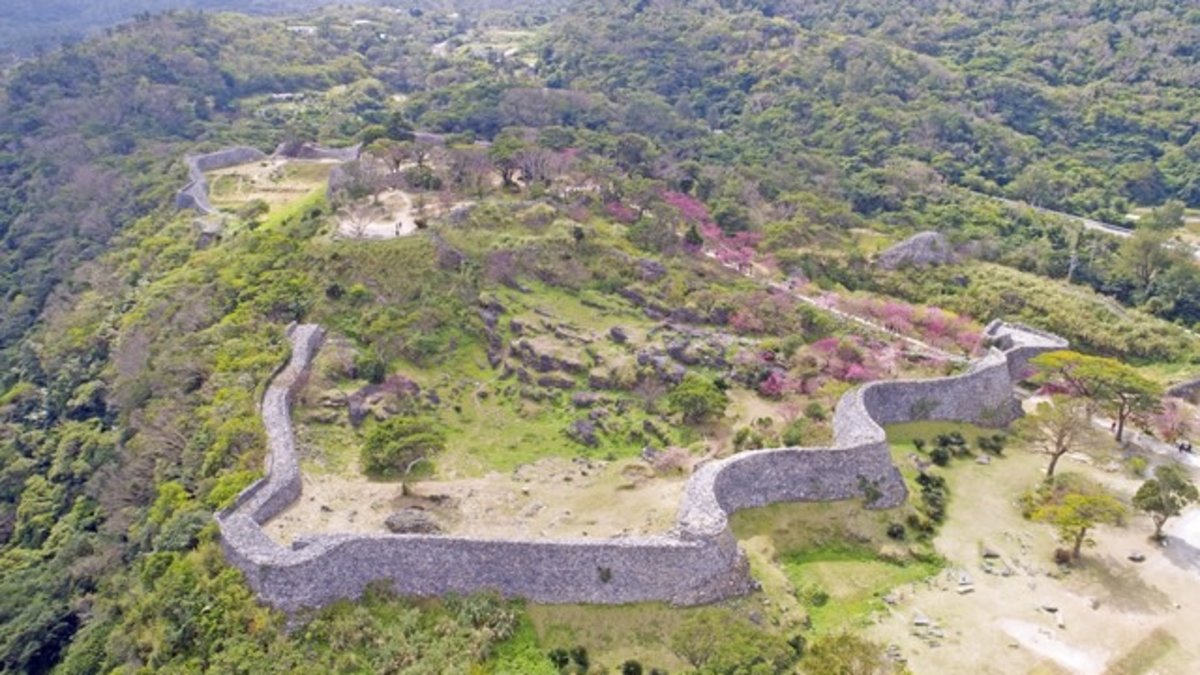
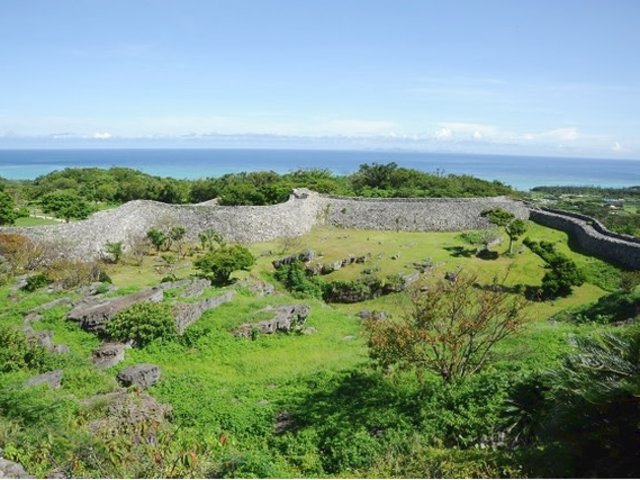
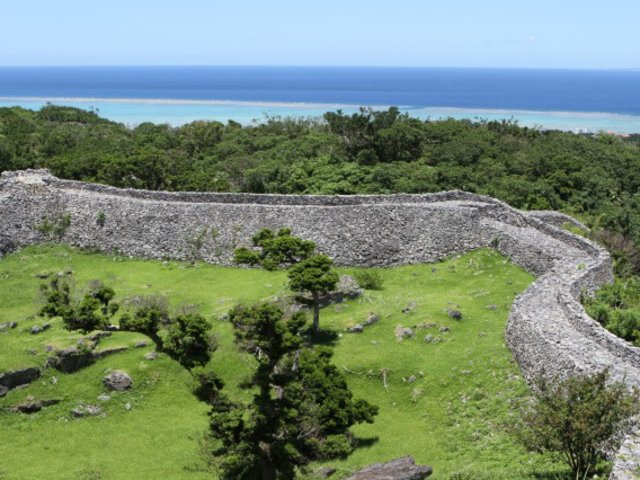
Long before Okinawa was part of Japan, the island was split between rival kingdoms, and Nakijin Castle was the mountain stronghold of the north. Its massive limestone walls still snake for hundreds of metres along the ridgeline of the Motobu peninsula, and the site is inscribed on the UNESCO World Heritage list among the Gusuku sites of the old Ryukyu realm. Few places conjure the islands’ pre Japanese history so powerfully.
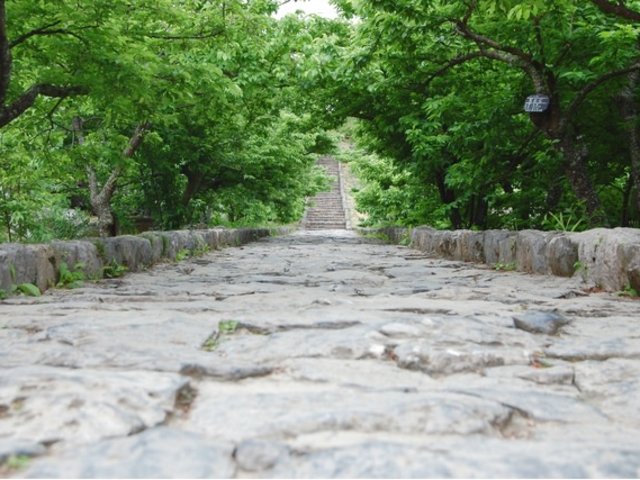
The path climbs from the great gate through terraced enclosures where palace buildings, shrines and garrisons once stood, with the wall lines flowing along the natural contours in curves quite unlike mainland Japanese castles. From the highest enclosure the view runs over forest to the East China Sea. Sacred spaces within the walls are still used in local worship, so tread respectfully. A small museum near the entrance sets the historical scene.
Nakijin is famous across Japan for cherry blossoms in late January, when its hillsides open the country’s earliest hanami season with deep pink kanhizakura. At any season, mornings bring the best light on the walls and the fewest tour buses. The site pairs naturally with the Churaumi Aquarium, 15 minutes away by car.
There is no rail in northern Okinawa, so most visitors drive, about two hours from Naha via the expressway and Route 505. Yanbaru express buses toward Motobu stop within taxi range, and some resort shuttles serve the area. Combine it with the aquarium and Kouri Island for a full northern day.
How long does a visit take? Around an hour, more if the museum draws you in.
Is the walk difficult? Paths include slopes and uneven stone, manageable with sensible shoes.
We may earn a commission when you book through links on this page, at no extra cost to you. Details and inclusions can change, so always check the booking page for the latest.

Ensure you get the most out of your trip to the land of the rising sun with our comprehensive 249-page Japan Travel Guide.