 Japan Rail Pass NowAustralia's No.1 Choice
1300 635 500Mon-Fri, AEST
Buy Now
Japan Rail Pass NowAustralia's No.1 Choice
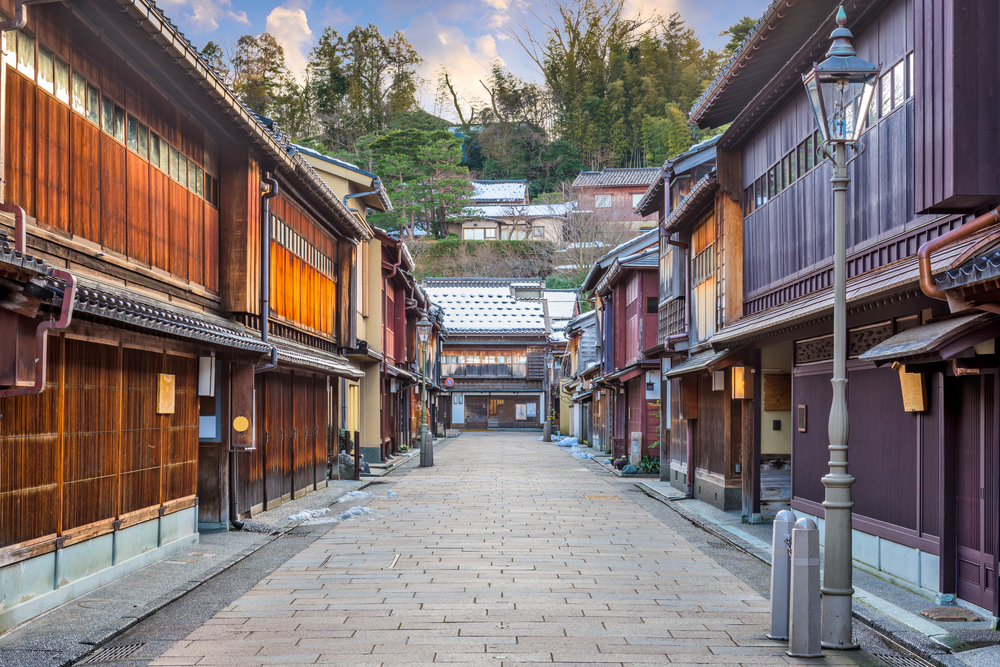
Kanazawa, with its samurai and geisha districts and the celebrated Kenroku-en garden, is about 450 km northwest of Tokyo. The Hokuriku Shinkansen makes it painless: the fastest Kagayaki service takes about 2 hours 30 minutes, from around ¥14,180 one way, and the whole line is covered by the Japan Rail Pass. Here's exactly how each option works, what it costs, and which to choose.
Buy your Tokyo to Kanazawa train ticketsCheck times, fares and book online| Option | Time | From (one way) | Best for |
|---|---|---|---|
| Kagayaki shinkansen | 2h 30m | ¥14,180 | Speed (all reserved, JR Pass OK) |
| Hakutaka shinkansen | 3h | ¥14,180 | More departures, unreserved cars |
| Highway / night bus | 8 to 9h | ¥5,000 | Tightest budgets |
| Plane (to Komatsu) | 3h 30m+ | ¥12,000+ | Rarely worth it |
The Hokuriku Shinkansen runs from Tokyo and Ueno via Nagano along the Sea of Japan side of Honshu. Two services matter for Kanazawa:
Trains leave from Tokyo Station and Ueno. In Kanazawa you arrive at the striking Tsuzumi-mon gate side of Kanazawa Station, with buses to Kenroku-en, the Higashi Chaya district and the Omicho market a few minutes away.
Find your Tokyo to Kanazawa trainLive times and fares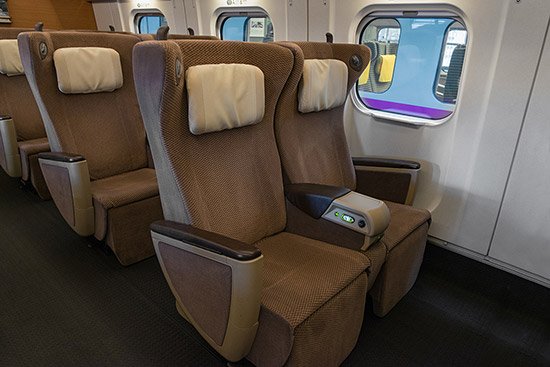
On the Kagayaki, yes, every seat is reserved; reservations are free with a JR Pass at any ticket office or machine. On the Hakutaka you can use the unreserved cars, but reserve ahead at rush hour, in peak seasons (New Year, Golden Week in early May, mid-August Obon) or during the winter crab-and-snow tourist rush.
The first Kagayaki leaves Tokyo around 06:15 and the last around 21:00, with a Kagayaki or Hakutaka at least every 30 minutes through the day.
If you're making several long journeys, a Japan Rail Pass can save money, but it was repriced in late 2023, so check today's price against your trips first. For this route the pass covers everything, including the fastest Kagayaki, which makes Tokyo to Kanazawa one of the best-value trips you can make on it (a return alone is close to the price of a 7-day pass). Not sure it's worth it? See our guide to Japan Rail Pass prices and whether it's worth it.
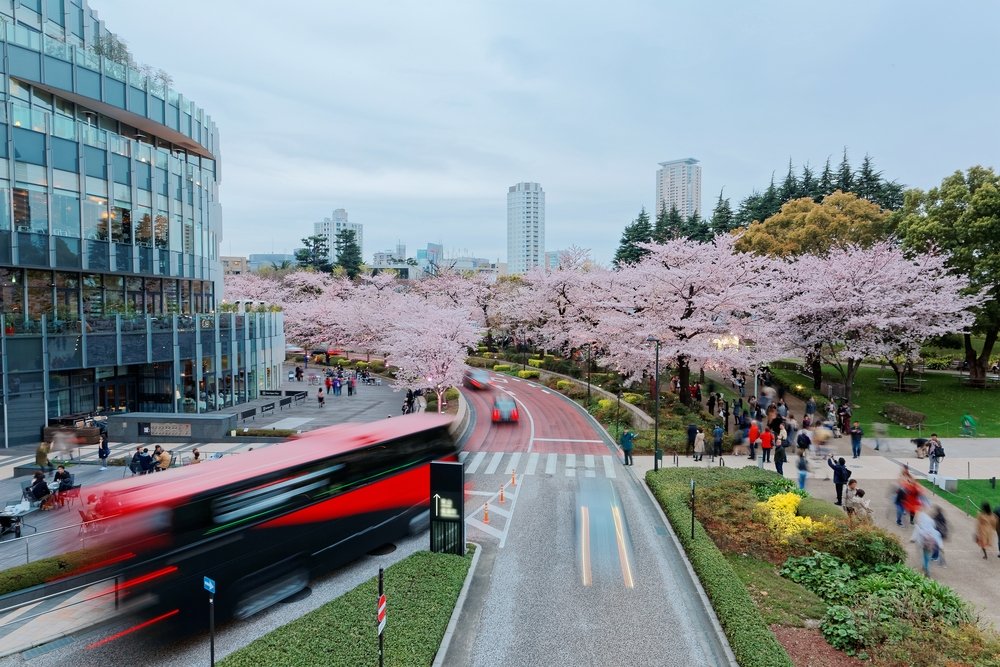
Daytime and overnight highway buses take 8 to 9 hours from around ¥5,000. Overnight buses save a night's accommodation. You can check timetables and book on the Willer Express and Japan Bus Online sites.
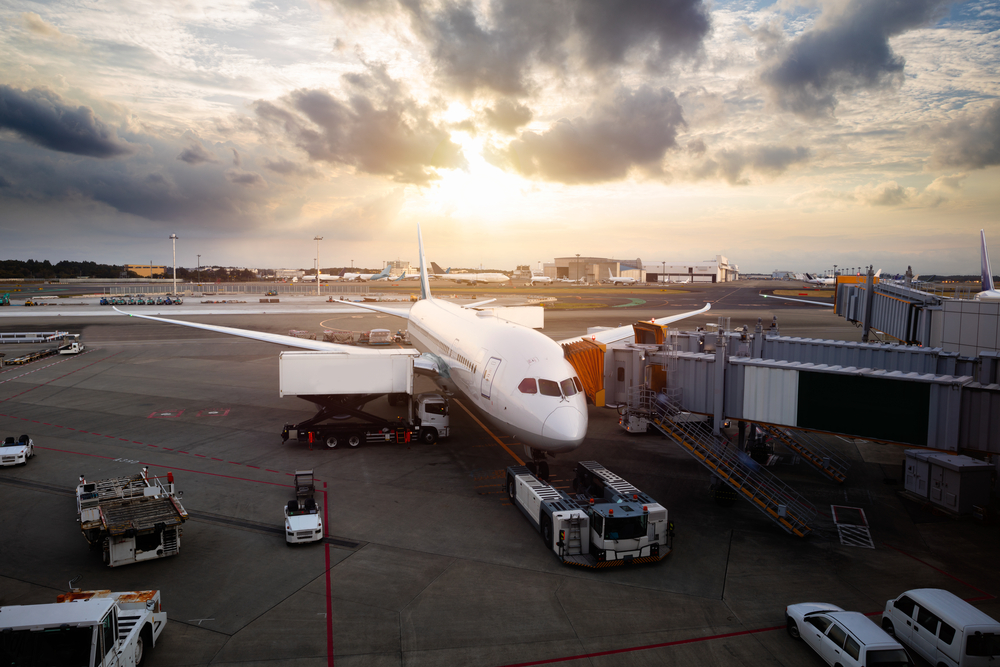
Kanazawa has no airport of its own; the nearest is Komatsu (KMQ), about 40 minutes away by bus. Flying from Haneda takes about 1 hour, but door to door you're looking at 3.5+ hours and usually a higher price than the train. Carriers include ANA and JAL.
About 5.5 to 6.5 hours via the Kan-etsu and Hokuriku expressways, plus fuel, tolls and rental, which typically costs far more than a train ticket. You'll want an International Driving Permit. Worth it only if you're touring the Noto Peninsula or the Alps en route.
Bags up to 160 cm combined fit overhead. Oversized baggage rules are more relaxed than on the Tokaido line, but space is still limited, so consider Japan's takkyubin delivery service to send suitcases ahead to your Kanazawa hotel.
The Kagayaki shinkansen is the clear winner: 2.5 hours city centre to city centre, fully covered by the JR Pass. The bus is for tight budgets only, and flying via Komatsu rarely adds up.
Book your Tokyo to Kanazawa train ticketsAbout 2 hours 30 minutes on the fastest Kagayaki service; the Hakutaka takes around 3 hours.
From around ¥14,180 one way (verify current fares before travel).
Yes, fully, including the fastest Kagayaki trains. Kagayaki seats are all reserved, so book a free seat before boarding.
On the Kagayaki, yes (all seats reserved). The Hakutaka has unreserved cars if you prefer to turn up and go.
An overnight highway bus, from around ¥5,000, taking 8 to 9 hours.
Yes. The Hokuriku Shinkansen now runs through to Tsuruga, where the Thunderbird limited express connects to Kyoto and Osaka; the whole journey is JR Pass covered.

Ensure you get the most out of your trip to the land of the rising sun with our comprehensive 249-page Japan Travel Guide.