 Japan Rail Pass NowAustralia's No.1 Choice
1300 635 500Mon-Fri, AEST
Buy Now
Japan Rail Pass NowAustralia's No.1 Choice
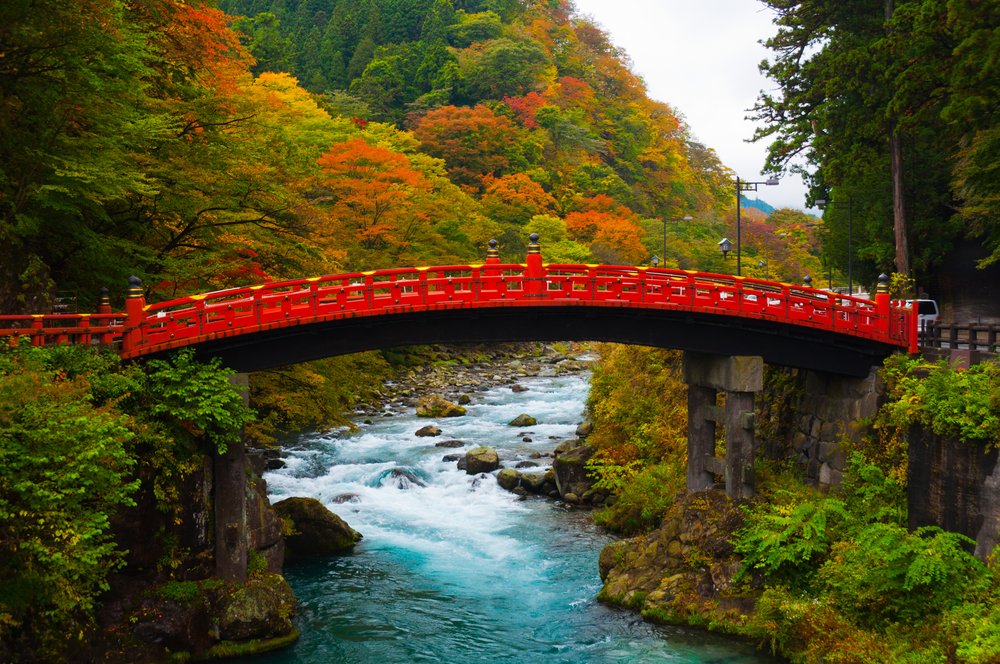
Nikko, home of the lavish Toshogu Shrine and some of Kanto's best mountain scenery, sits about 140 km north of Tokyo, and every sensible way there takes roughly 2 hours. The choice is between the private Tobu Railway from Asakusa (cheapest), and the JR route via Utsunomiya (fully covered by the Japan Rail Pass). Here's exactly how each option works, what it costs, and which to choose.
Buy your Tokyo to Nikko train ticketsCheck times, fares and book online| Option | Time | From (one way) | Best for |
|---|---|---|---|
| Tobu limited express (Asakusa) | 1h 50m | ¥3,050 | Cheapest fast option |
| JR shinkansen + Nikko Line | 2h | ¥5,150 | JR Pass holders |
| JR-Tobu direct express (Shinjuku) | 2h | ¥4,080 | West-side Tokyo hotels |
| Tobu local trains | 2h 30m+ | ¥1,400 | Tightest budgets |
Three rail routes reach Nikko, and they arrive at two neighbouring stations (Tobu-Nikko and JR Nikko, about 5 minutes' walk apart):
From either Nikko station, the World Heritage shrine area is a 10 minute bus ride or a 25 minute uphill walk; buses continue up the switchbacks to Lake Chuzenji and Kegon Falls.
Plan your Tokyo to Nikko tripCheck times, fares and book online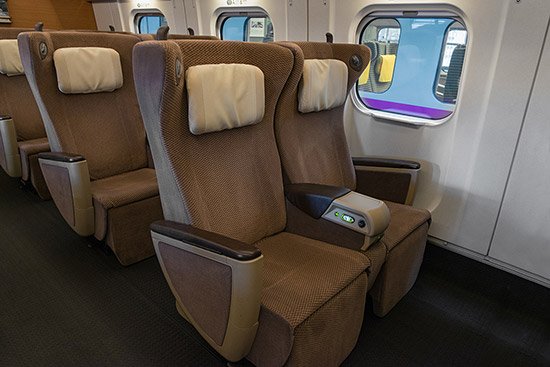
Tobu limited expresses and the JR-Tobu through trains are all reserved, so book ahead for weekends and foliage season. On the JR Pass route, shinkansen reservations are free and the Nikko Line is unreserved.
Early trains from around 06:30 put you at the shrines by opening time; the last limited expresses back leave Nikko around 19:30 to 20:30 depending on the day. Nikko works well as a long day trip.
If you're making several long journeys, a Japan Rail Pass can save money, but it was repriced in late 2023, so check today's price against your trips first. For this route the pass fully covers the shinkansen to Utsunomiya and the JR Nikko Line, so pass holders travel free this way; the Tobu routes are private and not covered. Not sure it's worth it? See our guide to Japan Rail Pass prices and whether it's worth it.
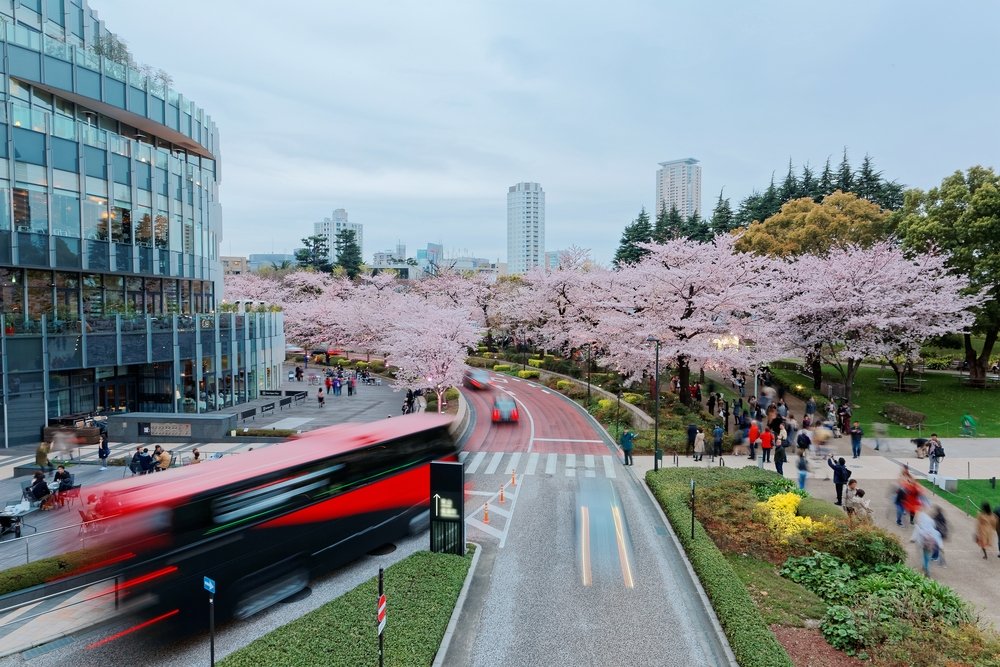
There's no highway bus worth taking from central Tokyo: the trains are faster and barely more expensive. Local buses take over from the train within Nikko itself, and Tobu's passes include them.
About 2 to 2.5 hours via the Tohoku Expressway when clear, but weekend and foliage-season traffic on the mountain road to Lake Chuzenji can add hours. The train plus local buses is easier for almost everyone; you'll want an International Driving Permit if you drive.
Nikko is best done light. Coin lockers at both stations fit day bags and small cases; if you're staying overnight up at Lake Chuzenji, many hotels arrange luggage pickup, or use takkyubin from Tokyo.
With a JR Pass, ride the shinkansen to Utsunomiya and the JR Nikko Line, entirely covered. Without one, Tobu from Asakusa is the best mix of price and speed, and its passes bundle the local buses you'll use anyway.
Book your Tokyo to Nikko train ticketsAbout 2 hours whichever main route you take: Tobu limited express from Asakusa, JR shinkansen via Utsunomiya, or the JR-Tobu direct train from Shinjuku.
From around ¥1,400 on Tobu locals, ¥3,050 on Tobu limited expresses, or ¥5,150 via JR (free with a JR Pass). Verify current fares before travel.
Yes: take the Tohoku Shinkansen to Utsunomiya and change to the JR Nikko Line, both fully covered. Tobu trains are not covered.
Tobu and JR-Tobu limited expresses are all reserved, so book ahead for weekends and autumn foliage season. The JR route only needs a (free) shinkansen reservation.
Yes, comfortably, if you start early. Add an overnight stay if you also want Lake Chuzenji, Kegon Falls and an onsen.
Tobu-Nikko and JR Nikko are about 5 minutes' walk apart, and the same buses to the shrines and the lake serve both.

Ensure you get the most out of your trip to the land of the rising sun with our comprehensive 249-page Japan Travel Guide.