 Japan Rail Pass NowAustralia's No.1 Choice
1300 635 500Mon-Fri, AEST
Buy Now
Japan Rail Pass NowAustralia's No.1 Choice
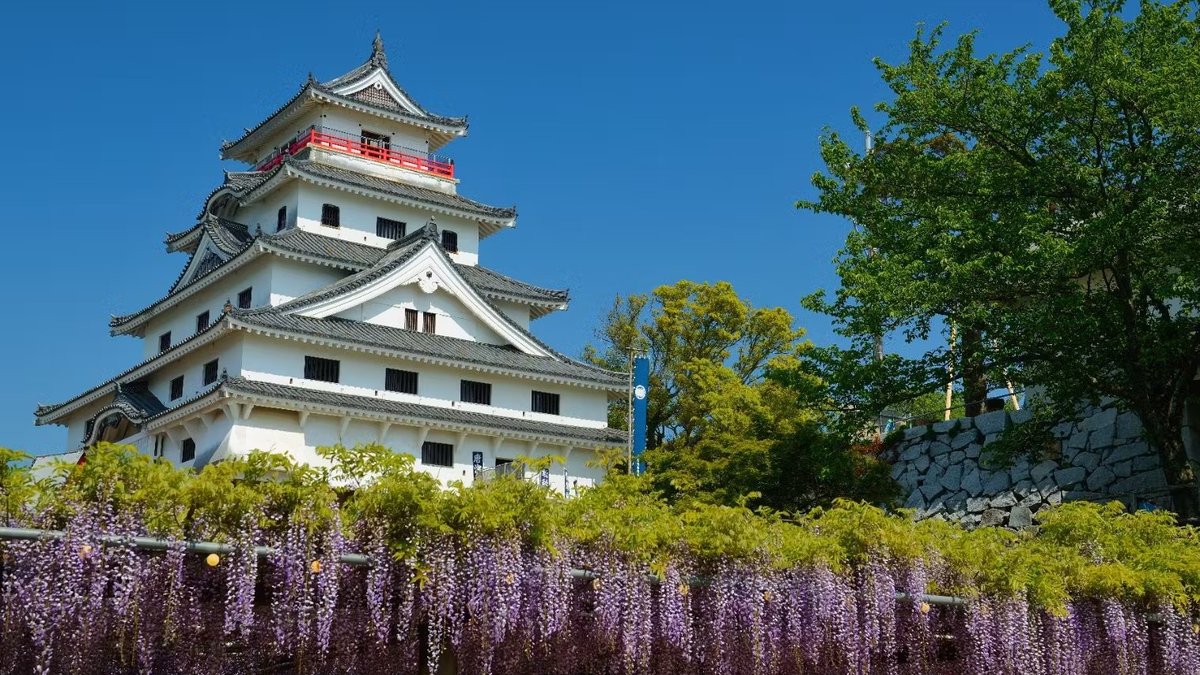
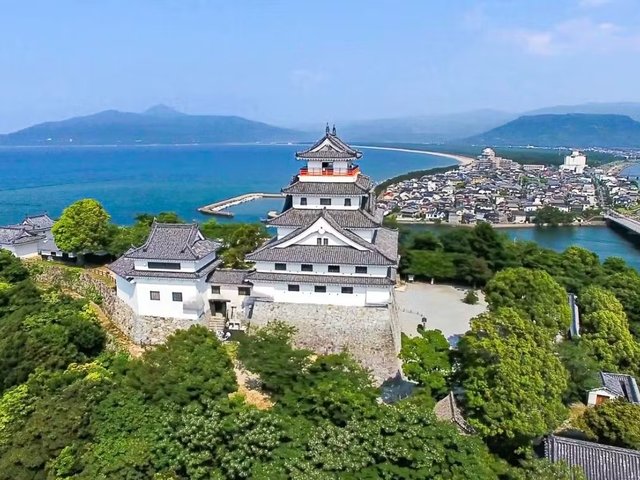
Karatsu Castle stands on a promontory where the Matsuura River meets Karatsu Bay, its white keep rising straight from the sea wall with water on three sides. Locals call it the dancing crane castle for the way the keep and its flanking pine groves resemble a bird spreading its wings, and the view from the top floor, sweeping over the bay and the vast Niji no Matsubara pine forest, is among the finest from any castle in Kyushu.
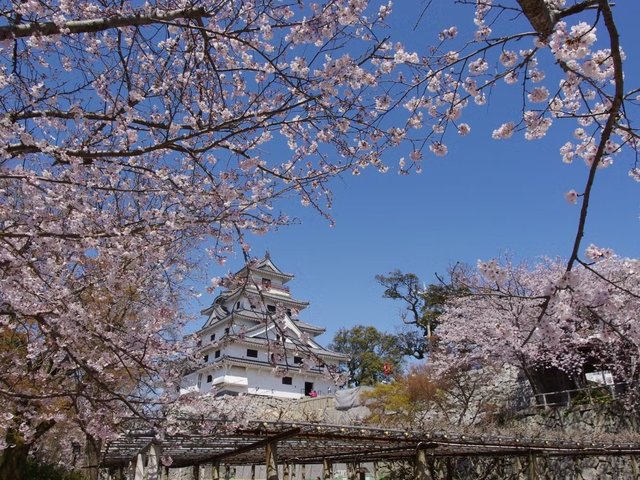
The current keep is a modern reconstruction housing exhibits on the Terazawa lords, local archaeology and Karatsu’s celebrated pottery tradition, with armour and ceramics displayed across its floors. An elevator up the castle hill spares you the stairs if needed. In late spring the hillside wisteria draws photographers, and cherry trees ring the walls earlier in the season.
The town rewards a wander: kilns and galleries continue a ceramic lineage prized by tea masters for centuries, and the Hikiyama exhibition hall displays the enormous lacquered floats paraded each November in the Karatsu Kunchi festival. The crescent of Niji no Matsubara, a seventeenth century planted pine forest running for kilometres along the bay, makes a fine cycle or drive.
From Fukuoka, the subway from Hakata or Tenjin runs through onto the JR Chikuhi Line direct to Karatsu, around 80 minutes, one of the easiest interprefecture day trips in Kyushu. The castle is a 20 minute walk or short bus ride from Karatsu Station.
Is the castle original? The keep is a reconstruction, but the setting and stonework carry the atmosphere.
How long for a visit? About an hour, plus time for the surrounding park and seafront.
We may earn a commission when you book through links on this page, at no extra cost to you. Details and inclusions can change, so always check the booking page for the latest.

Ensure you get the most out of your trip to the land of the rising sun with our comprehensive 249-page Japan Travel Guide.