 Japan Rail Pass NowAustralia's No.1 Choice
1300 635 500Mon-Fri, AEST
Buy Now
Japan Rail Pass NowAustralia's No.1 Choice
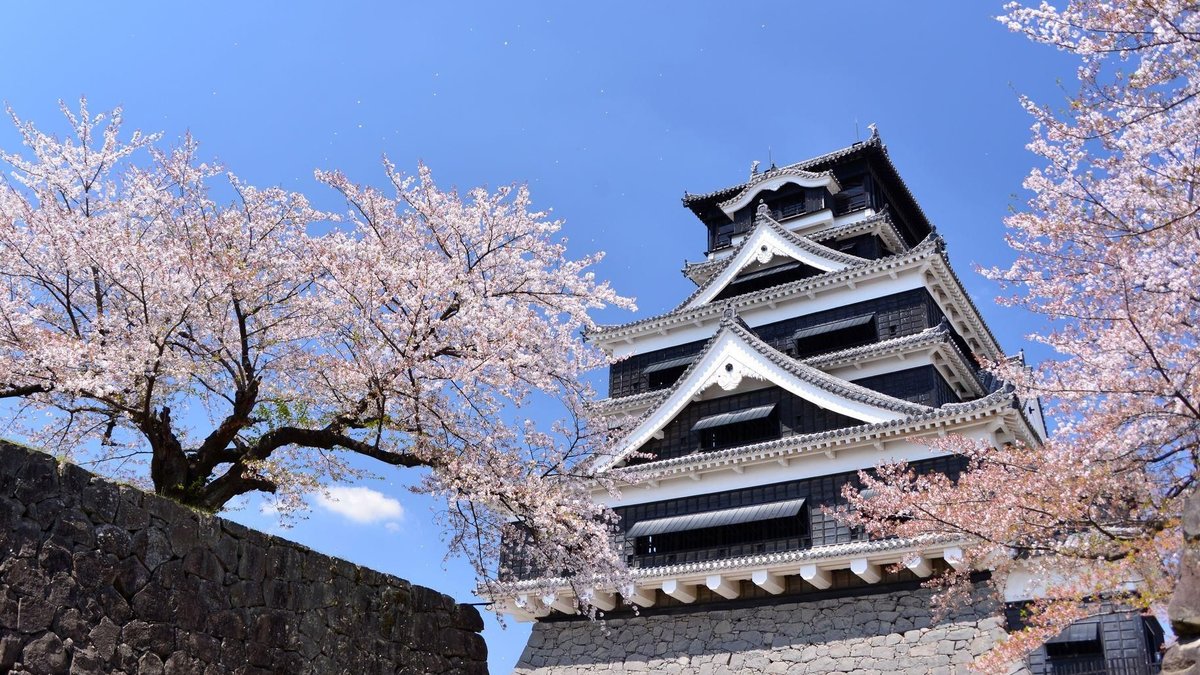
Kumamoto Castle is one of the three great castles of Japan, a black walled fortress famous for stone ramparts that curve outward as they rise, a design so forbidding it earned the name musha-gaeshi, the warrior repeller. Badly damaged in the 2016 earthquakes, it has become something more than a monument: a city’s restoration project conducted in public view, with the rebuilt main keep once again open and towering over Kumamoto.
The restored keep houses modern exhibits telling the castle’s story, from its construction by the brilliant general Kato Kiyomasa to the siege it withstood in the samurai era’s last great rebellion, with the top floor opening onto views across the city. Elevated walkways route visitors safely past areas still under repair, and watching stonemasons piece the collapsed walls back together, stone by numbered stone, has become an unexpected highlight of the visit. The surrounding Sakura-no-baba Josaien district serves Kumamoto specialties beneath the ramparts.
Spring wraps the ramparts in cherry blossom and is the castle’s most photographed season, while clear winter days give the sharpest views from the keep. Allow two hours or more including the walkways and exhibits.
From JR Kumamoto Station, the tram runs to the Kumamotojo-mae stop in about fifteen minutes, followed by a short uphill walk to the castle entrances. Kumamoto is on the Kyushu Shinkansen, under an hour from Hakata, which makes the castle a realistic day trip from Fukuoka.
We may earn a commission when you book through links on this page, at no extra cost to you. Details and inclusions can change, so always check the booking page for the latest.

Ensure you get the most out of your trip to the land of the rising sun with our comprehensive 249-page Japan Travel Guide.