 Japan Rail Pass NowAustralia's No.1 Choice
1300 635 500Mon-Fri, AEST
Buy Now
Japan Rail Pass NowAustralia's No.1 Choice
Tokyo Station is the centre of the Japanese rail network. Every Shinkansen line in the country either starts here or runs through, and on a normal weekday around 3,000 trains come and go. It is also, for a first time visitor with luggage, one of the easiest places in Japan to get lost.
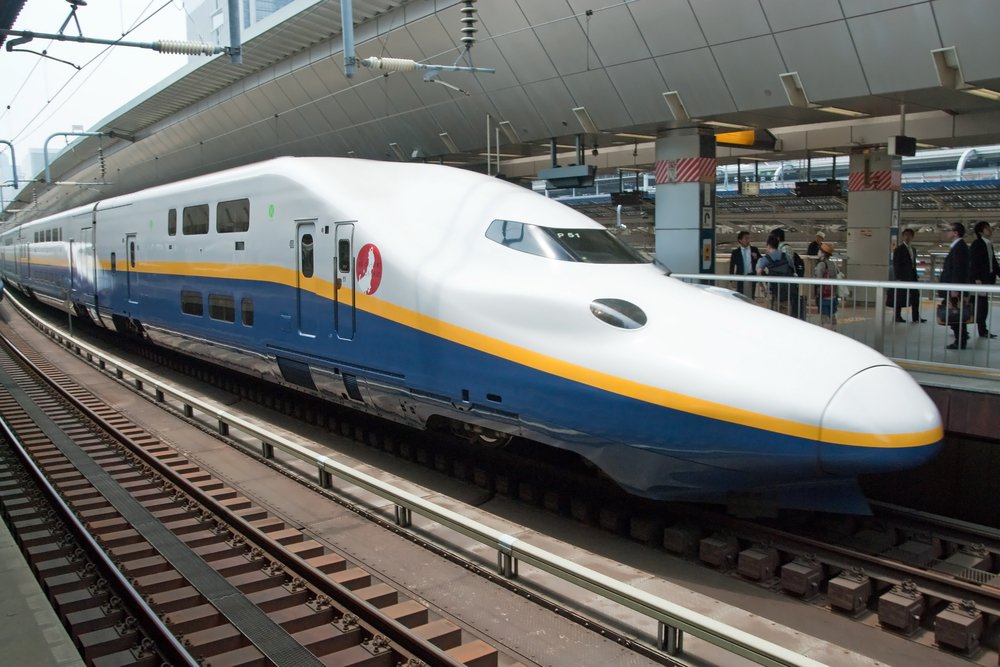
The Shinkansen split into two groups, and they use different parts of the station.
On top of that there is the Narita Express to the airport, the Yamanote loop line, the Chuo line out to Shinjuku and the west, the Keiyo line for Tokyo Disney Resort, and the Marunouchi subway.
The station has two faces and they look nothing alike.
Marunouchi is the western side, with the restored red brick facade from 1914. This is the photogenic side, facing the Imperial Palace gardens. If someone says meet me at Tokyo Station, they usually mean here.
Yaesu is the eastern side, modern and glassy, with the bus terminal and the Shinkansen entrances. If you are catching a bullet train west, this is your side.
Crossing between the two underground takes a good ten minutes with a suitcase. It is worth checking which exit you want before you start walking.
Your Japan Rail Pass covers the Narita Express, the Yamanote line, the Chuo line, the Keiyo line to Disney and the Shinkansen, with the usual exception that the fastest Nozomi and Mizuho services need a supplement. It does not cover the Tokyo Metro or Toei subway lines, which is why an IC card is worth having alongside the pass.
The main ticket office is on the Marunouchi side and there are several Shinkansen ticket offices near the Yaesu gates. First thing in the morning the queues are long, particularly in spring and autumn.
The single most common mistake is treating Tokyo Station like an ordinary station. From arriving at the Marunouchi entrance to sitting on a Tokaido Shinkansen is realistically fifteen to twenty minutes if you do not know the building: through the main gates, across the concourse, through the separate Shinkansen gates, then up to the platform.
If you are coming in on the Keiyo line from Disney, allow longer again. Those platforms are a serious walk from the rest of the station, several hundred metres through underground passages.
Under the Yaesu side there are two things worth your time. Tokyo Ramen Street gathers a handful of well known ramen shops in one corridor, and Character Street runs shops for Studio Ghibli, Pokemon, Hello Kitty and the rest, which is useful if you have children or need presents.
Ekiben counters sit near the Shinkansen gates. Buy your boxed lunch before you go through, not after, and the platform kiosks sell beer if you want it.
Coin lockers are spread through the station in every size and they fill up fast, particularly the large ones, often by mid morning in peak season. There is a staffed luggage storage counter as a fallback, and a forwarding service if you would rather send a case ahead to your next hotel.
If you are booking individual journeys rather than using a pass, these are the routes that start here.
And the longer route guides, with times, seat tips and what to see when you arrive:
It is convenient for departures and quiet at night, since the area is mostly offices. Many visitors prefer Shinjuku or Shibuya for atmosphere and eating, and both are fifteen minutes away on the Yamanote line.
Not always. If you are staying in the south or west of the city, Shinagawa is the next stop and is often faster to reach and easier to navigate.
The Narita Express runs direct from Tokyo Station and is covered by the rail pass. For Haneda you are better off going via Shinagawa on the Keikyu line.

Ensure you get the most out of your trip to the land of the rising sun with our comprehensive 249-page Japan Travel Guide.